What To Do After
an Injury in Ohio
Whether an injury occurs in a car accident, dog bite incident, nursing home situation, or another unexpected event, the first few days can feel overwhelming. This guide explains the steps people commonly take after an injury and how early decisions affect what happens later.
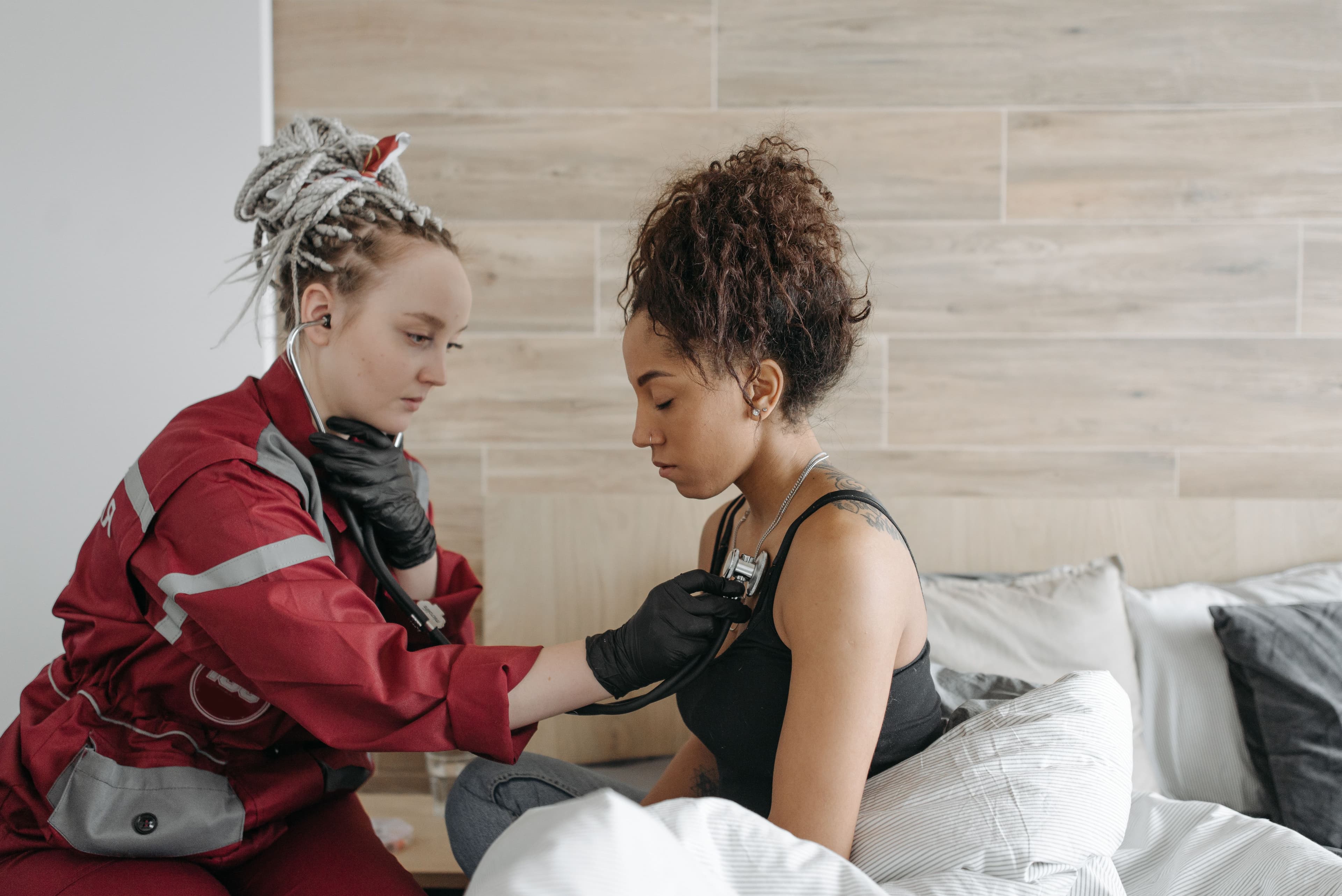
Your Health Comes First
After any injury, the most important priority is your health. Even when injuries appear minor at first, symptoms can develop hours or days later. Seeking medical evaluation early allows doctors to identify injuries and begin treatment if necessary.
Timely treatment also creates documentation showing when symptoms began and how they developed. Medical records can help document when symptoms first appeared, the type of injury diagnosed, the treatment recommended, and the progression of recovery.
In many situations, people initially believe their injuries are minor, only to realize later that pain or limitations are affecting daily activities. If your injury resulted from a car accident, you can also review our guide at CincinnatiCarCrashHelp.com. For dog bite injuries, visit OhioDogBiteInjuryLaw.com.
Common Mistakes People Make After an Injury
Documentation, medical care, and insurance conversations all matter in the days after an injury.
Waiting to Seek Medical Evaluation
After any injury, symptoms can develop hours or days later. Seeking medical evaluation early allows doctors to identify injuries and begin treatment if necessary. It also creates documentation showing when symptoms began and how they developed.
Not Documenting What Happened
One of the most important things people can do after an injury is document what happened as clearly as possible. Details that seem minor at the time can later become important when insurance companies review a claim. Photographs, medical records, witness information, and accident reports can all help preserve details that may change over time.
Skipping Follow-Up Appointments or Medical Recommendations
Missing appointments or delaying treatment can create gaps in medical records that sometimes make it more difficult to understand how an injury developed. Insurance companies reviewing injury claims often evaluate the timeline of medical care.
Providing Recorded Statements Too Quickly
After an accident or injury, insurance companies often reach out quickly. Adjusters may ask questions about how the incident occurred or request a recorded statement. Many people choose to understand their situation fully before providing recorded statements or signing documents related to a claim.
Not Preserving Witness Information or Reports
If other people observed what happened, their contact information may become helpful later. In incidents involving vehicles or public safety agencies, official reports can provide a third-party record of what occurred. The earlier documentation is preserved, the easier it often becomes to understand the full circumstances of the incident.
What To Do After an Injury
If you've recently been injured, the next few steps typically focus on health, documentation, and understanding your options.
Your Health Comes First
After any injury, the most important priority is your health. Even when injuries appear minor at first, symptoms can develop hours or days later. Seeking medical evaluation early allows doctors to identify injuries and begin treatment if necessary. It also creates documentation showing when symptoms began and how they developed.
Document What Happened
One of the most important things people can do after an injury is document what happened as clearly as possible. Helpful documentation often includes photographs, medical records, witness information, and accident reports. The earlier documentation is preserved, the easier it often becomes to understand the full circumstances of the incident.
Follow Medical Instructions
Once treatment begins, it is important to follow the recommendations provided by medical professionals. This often includes attending follow-up appointments, completing recommended therapy, taking prescribed medications, and reporting new symptoms to medical providers. Consistent treatment and following a doctor's instructions help create a clear picture of the recovery process.
Be Careful Before Providing Recorded Statements
After an accident or injury, insurance companies often reach out quickly. While these conversations may appear routine, it is important to understand that insurance companies are evaluating claims as part of their investigation. Many people choose to understand their situation fully before providing recorded statements or signing documents related to a claim.
If you want to understand how to choose an attorney carefully, you can read more here: ChooseYourInjuryLawyer.com
Explore Related Resources
Learn more about specific injury types and how to choose legal representation.
Frequently Asked Questions
Need Help Understanding What To Do Next?
If you were injured and are unsure about the next steps, you can request a confidential review of your situation. Fill out the form below and someone from our team will reach out to you.
Request Confidential Review